Signs Your AC Is About to Fail — Before a Napa Heat Wave Hits
Most AC breakdowns don't come out of nowhere — the system usually gives a few weeks of warning first. Catching those signs before a Napa heat wave hits is the difference between a scheduled repair and a no-cool emergency on the hottest day of the year.
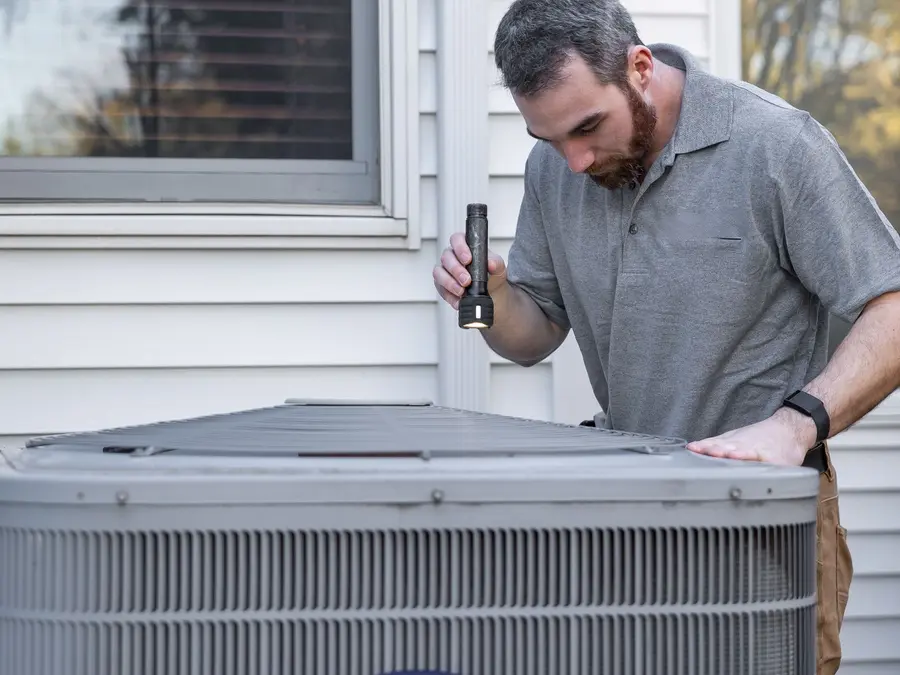
- Catch it before it fails
- Local contractors
- Timed for Napa's heat season
Why AC failures cluster around heat waves — not randomly
An AC system under real stress fails at its weakest point, and the weakest point gets stressed hardest exactly when the system is running the most: during a stretch of 95–100+ degree days. A capacitor that's testing weak, a refrigerant charge that's slowly leaking, or a coil that's gradually losing efficiency can all coast through a mild spring without an obvious symptom — and then give out the moment the system has to run nearly nonstop to keep up. That's why the signs below are worth checking for in May and June, before Napa's July–August stretch, rather than waiting until the house is already 85 degrees inside.
Early warning signs worth acting on
Weaker airflow than before
If vents that used to blow strong now feel noticeably weaker, and a fresh filter doesn't fix it, that can point to a failing blower motor or a duct issue — worth a look before it gets worse.
Longer run times for the same result
A system that used to cycle off after 15–20 minutes but now runs 40+ minutes to hit the same set temperature is working harder than it should — often an early sign of a refrigerant or efficiency issue.
New or louder noises
Grinding, squealing, or a rattling condenser fan that wasn't there before usually means a component — a motor bearing, a loose fan blade, a failing capacitor — is wearing out before it fails outright.
Uneven cooling room to room
Rooms that used to cool evenly now varying more than usual can point to duct, airflow, or refrigerant issues developing gradually rather than a sudden break.
A slow creep in the energy bill
An AC losing efficiency runs longer to do the same job, which shows up as a bill trending upward over a few months without an obvious reason like a new appliance or a rate change.
Short cycling — on and off every few minutes
Instead of running a normal cycle, the system fires on and off in short bursts. This is hard on the compressor and tends to get worse, not better, without a fix.
How old is your system? Age changes the math
Most AC systems are built to last 12–15 years with regular maintenance, less if it's been run hard without upkeep. A system in that range showing even one of the signs above is a stronger case for a proactive check than a system installed three years ago showing the same thing. If your system is older and struggling, a licensed contractor can walk through whether a repair makes sense or whether you're close enough to end-of-life that it's worth pricing out a replacement instead — that's a real conversation to have before, not during, a breakdown.
What early action actually saves you
Catching a weak capacitor or a slow refrigerant leak during a scheduled visit is almost always simpler and less disruptive than the same problem finishing the job it started during a 100-degree week — when every other AC in Napa County is also failing and appointment slots get tight. Acting on an early warning sign isn't about assuming the worst; it's about getting a licensed tech to look at something small before it decides for you when it becomes something bigger.
How this works: We're a free referral resource, not a contractor. A local HVAC contractor inspects the system and gives you a straight answer, and you hire and pay them directly. Reaching out costs nothing.
Frequently asked questions
How do I know if my AC is about to fail versus just needs a filter change?
A fresh filter is always worth trying first — it's the single most common cause of weak airflow. If replacing it doesn't help, or you're also seeing longer run times, new noises, or a rising energy bill, that points to something beyond the filter.
When should I schedule a pre-summer check in Napa County?
Late spring — May or early June — gives a contractor time to catch and fix a developing issue before the July–August heat wave stretch, when the system is under the most stress and appointment availability tightens up.
Can a weak capacitor really cause a full breakdown?
Yes — a failing capacitor is one of the most common reasons an AC compressor or fan motor won't start at all. It often shows early signs, like a slower startup or occasional failure to kick on, before it fails completely.
Is a rising energy bill actually a reliable warning sign?
On its own it's not conclusive — rates change and usage varies. Paired with any of the other signs here, though, a creeping bill with no other explanation is a reasonable reason to have the system checked.
What if my AC is already showing multiple signs at once?
That's worth a call sooner rather than later — multiple signs together generally mean the system is closer to failing than showing one isolated symptom.